
Spray Foam Insulation in Newark, NJ
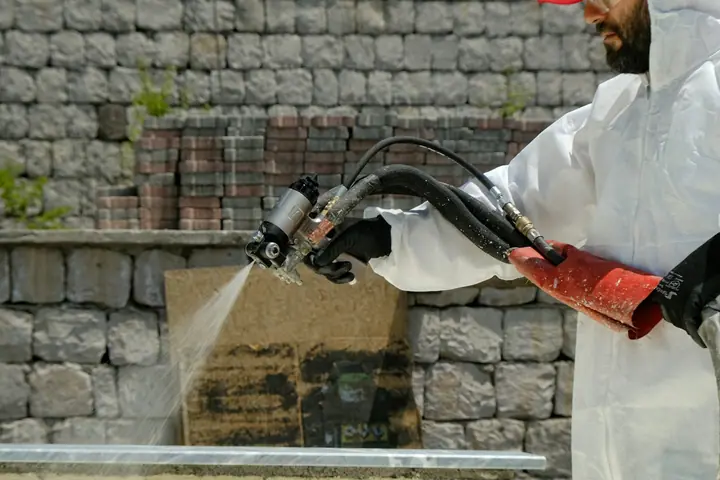
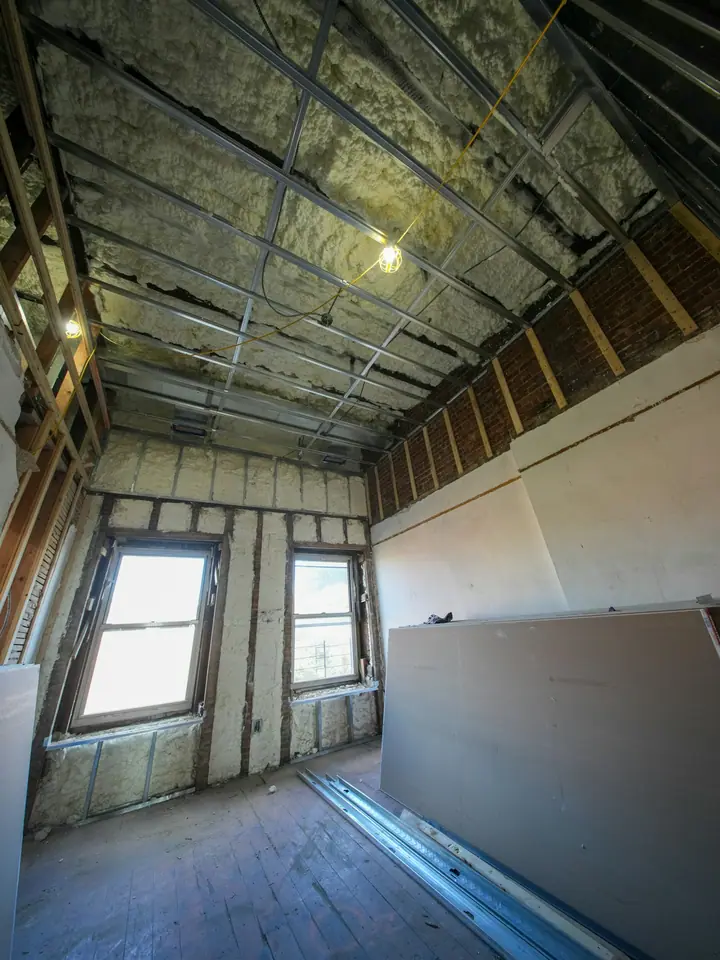
Spray foam expands as it is applied, filling gaps and cracks that other insulation leaves behind. That means one product both insulates and air seals. It is a strong option for rim joists, roof decks, irregular spaces and anywhere that stopping air leakage matters as much as slowing heat flow.
Why spray foam insulation matters in Newark
There are two main types. Open-cell foam is lighter and softer, good at filling cavities and helping with sound. Closed-cell foam is denser, has a higher R-value per inch and resists moisture, which makes it useful in basements, rim joists and tight spaces. Spray foam costs more than batt or blown-in insulation, so it is not always the right choice, and we will say so. Application requires care: installers wear protective gear, the work area must be ventilated and people and pets should stay out until the foam has cured and the space is cleared. We follow manufacturer guidelines and explain re-entry timing before we start.
Signs you may need spray foam insulation
- Hard-to-insulate areas like rim joists, bay windows or odd angles
- Drafts that persist after conventional insulation
- Cathedral or low-slope ceilings with limited cavity depth
- Basement or crawl space walls prone to dampness
- Spaces where you want one product for insulation and air sealing
How we do it
Evaluate the space
We review the area, check moisture and decide whether open or closed cell is the better fit.
Prepare and protect
Surfaces are cleaned and masked, and the area is ventilated.
Apply the foam
Foam is sprayed in controlled passes to the target thickness.
Trim and inspect
Excess foam is trimmed and the coverage is checked for gaps.
Cure and re-entry
We explain how long to stay out and when the space is safe to occupy.
What you get
Insulates and seals
A single application addresses both heat flow and air leakage.
Good in tight spaces
Foam reaches irregular cavities that batts and blown-in struggle with.
Moisture-resistant option
Closed-cell foam resists moisture, which suits damp areas.
Many customers combine this with air sealing and weatherization or basement insulation to get the most from one visit.
Before you book
Foam jobs are priced by the area covered and the thickness applied, and closed-cell foam costs more than open-cell. Because of the application process, occupants and pets need to leave the work area during spraying and for the curing period we specify. We cover windows, floors and fixtures before we begin. Ask us about re-entry timing when you book so you can plan where to stay for the day if needed.
Serving Newark and nearby
We apply spray foam in Newark homes and small commercial spaces, as well as in East Orange, Irvington, Harrison, Kearny and Bloomfield. Ask us whether foam, blown-in or a combination fits your budget.
Spray Foam Insulation questions
Is spray foam safe?
When installed correctly and allowed to cure, it is widely used. Installers wear protective gear and occupants must stay out during application and curing as directed.
Open cell or closed cell?
Open cell is more affordable and flexible, closed cell has a higher R-value per inch and resists moisture. We recommend by location.
How long until I can go back?
It depends on the product and ventilation. We provide specific instructions for your job.
Is spray foam worth the cost?
In tight or leaky areas it often is. In wide-open attics, blown-in insulation may be more economical.
Related services

Ready for cleaner air and a more comfortable home?
Call any time, day or night, or request a free quote and we will get back to you quickly.