
Blown-In Insulation in Newark, NJ
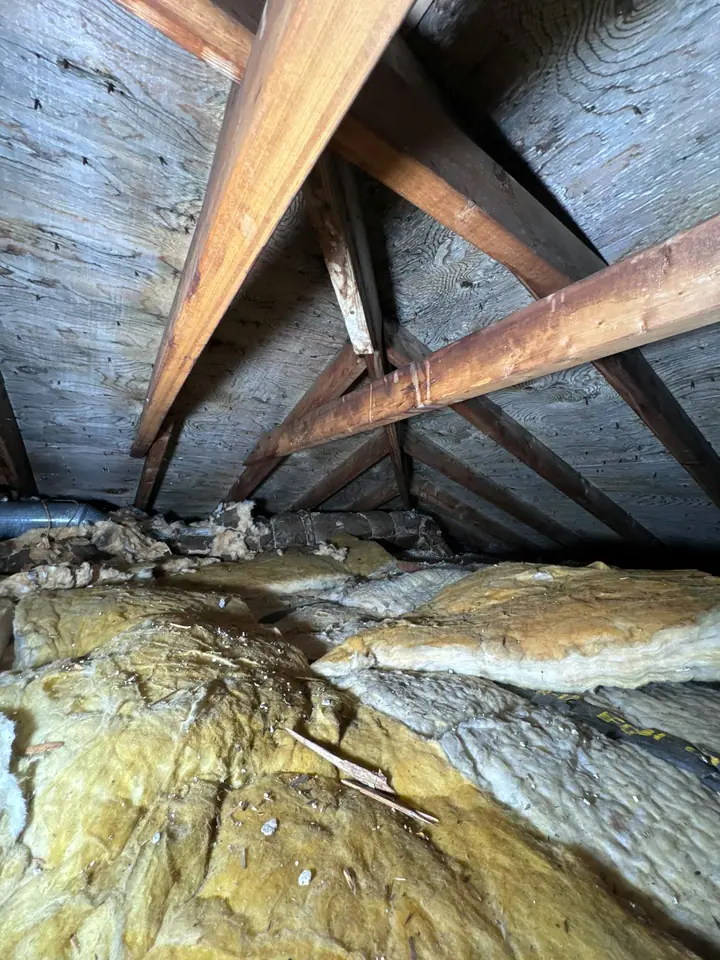
Blown-in insulation is installed as loose material delivered through a hose, which lets it fill around joists, wiring, pipes and irregular spaces without the gaps that batts often leave. It is a flexible, cost-effective way to add insulation to attics and other cavities.
Why blown-in insulation matters in Newark
The two common materials are cellulose, made largely from recycled paper treated for fire resistance, and loose-fill fiberglass. Both can perform well when installed at the correct depth and density. In attics, blown-in is generally installed loose to a measured depth, while dense-pack methods are used in closed cavities. The advantage over batts is coverage: loose fill conforms to obstructions and uneven framing. We pair blown-in installation with air sealing and ventilation baffles so the insulation can do its job and the roof stays properly ventilated.
Signs you may need blown-in insulation
- Attic insulation that is thin or uneven
- Cavities with odd shapes or lots of obstructions
- Older batts that have slumped or have gaps
- Budget-conscious insulation upgrade
- Existing insulation that is dry but inadequate
How we do it
Assess the space
We measure existing depth and check for moisture, pests and hazards.
Prepare the area
Baffles and barriers are installed around vents, chimneys and hatches.
Blow in the material
Insulation is delivered through a hose to the target depth or density.
Level and verify
Depth is checked at multiple points and marked for reference.
Clean up
We remove equipment and leave the area tidy.
What you get
Even coverage
Loose fill conforms to the space without large gaps.
Cost-effective
Typically more economical than spray foam for open attics.
Fast installation
Large areas can often be completed in a single visit.
Many customers combine this with attic insulation or wall insulation to get the most from one visit.
Before you book
Blown-in jobs are among the quickest insulation projects because the material is delivered by hose. The main factors are the area, the target depth and how much air sealing and baffle work is needed first. Clear the attic hatch and any stored items on the floor. If you have recessed lights, we will explain how to handle them safely so insulation does not sit against fixtures that are not rated for it.
One common mistake is blowing insulation over recessed light fixtures that are not rated for contact, or covering attic hatches so they cannot be opened. We build simple barriers around fixtures and hatches and mark the finished depth with rulers so you can check it yourself. We also leave pathways to any attic equipment that needs servicing. If your existing insulation is uneven, we can top it off in the thin areas so the final depth is consistent from one end of the attic to the other, which is where much of the real-world performance comes from.
Serving Newark and nearby
Blown-in insulation is our go-to for Newark attics and also suits homes in Irvington, Bloomfield, Belleville, Nutley and Maplewood.
Blown-In Insulation questions
Cellulose or fiberglass?
Both work well. Cellulose is dense and recycled, fiberglass is light and widely used. We recommend based on your space and priorities.
Will it settle?
Some settling is normal, so installers account for it by installing to a target depth.
Can blown-in go over old insulation?
Yes, if the old material is dry and clean.
Is it good for walls?
Yes, in dense-pack form for enclosed cavities.
Related services
Ready for cleaner air and a more comfortable home?
Call any time, day or night, or request a free quote and we will get back to you quickly.